
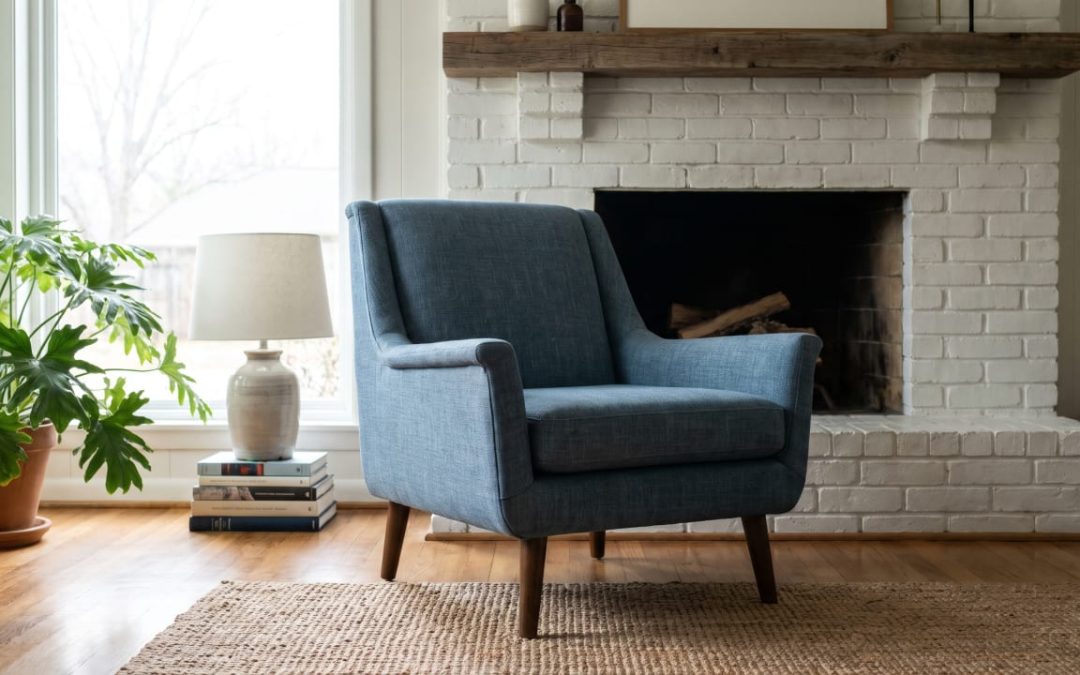
It is the first week of November, and you are looking at a sofa that has quietly given up. The arms are shiny, the seat has a dip, and you have people coming for the holidays. So you ask the question every homeowner asks: how long does reupholstery take, and can it be done in time? Here is the honest answer on reupholstery turnaround time in Dallas right now. A piece that goes into our Carrollton workshop this month will not be back before Thanksgiving, and almost certainly not before Christmas.
That is not bad news if you plan around it. Reupholstery at our shop typically runs 6-12 weeks depending on the workload at the time, and the whole process is predictable once you know where the weeks go. This guide walks through the steps in order, explains why the range is so wide, and shows how to use the winter months so a finished piece is waiting for spring entertaining. If you want the full picture of what we do, our page on upholstery and reupholstery for Dallas homes covers the services, and this guide focuses on the calendar.
We have been family-owned since 1980, founded by John and now run by his son Simon, and calendar questions come up every fall. Our post on starting reupholstery early enough for Thanksgiving makes the same point from the other direction: the window closes sooner than most people expect.
What Reupholstery Turnaround Time in Dallas Actually Measures
When people ask about turnaround, they usually mean the day the piece leaves their house to the day it comes back. That is the part we control, and it is the 6-12 week figure. But the full journey from first call to a finished chair in your living room is a little longer, because a few things happen before the piece ever leaves your home.
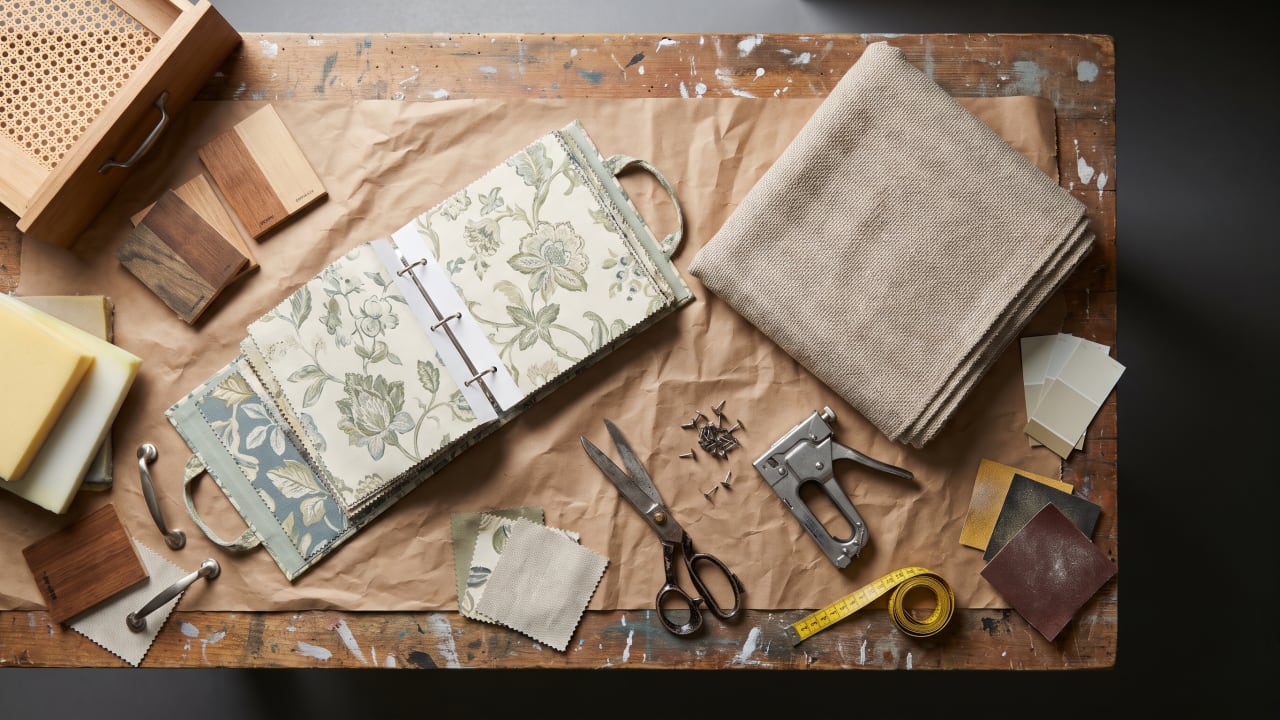
Fabric is the biggest one. We work from swatch books rather than a shelf of fabric bolts, so once you choose a fabric, it is ordered and takes about a week to reach the shop. We want that fabric waiting at the shop when your furniture arrives, which is why fabric selection and the deposit come first, before pickup or drop-off. Nothing in the process should be waiting on a box from a mill while your frame sits in the corner.
So a realistic mental model has two clocks. The first is about one week for fabric selection, deposit, and fabric arrival. The second is the shop clock, 6-12 weeks, which starts when the piece comes in. Add them together and you get roughly 7-13 weeks from the day you say yes. Sources such as this overview of upholstery as a craft describe the same sequence: strip, repair the frame, rebuild the padding, then cover. Skip any of those steps and it shows up later as a sagging seat.
The Timeline Step by Step, From Photo Estimate to Delivery
Here is how a typical sofa or club chair moves through the process, in the order it happens.
Step 1: The free photo estimate (a day or two)
You send photos through our free online estimate form, including the underside and any damage. We respond with a price range and a rough read on where we are in the queue. This is also when you learn how long the shop is running that month, which is the single most useful number for planning.
Step 2: Choose fabric and place the deposit (about one week)
This is the step customers can speed up or slow down. Our swatch books come from Greenhouse Fabrics, and you can browse the line on the Greenhouse Fabrics site before you commit. Once you choose and leave your deposit, the fabric is ordered and arrives in about a week. If you are torn between two options, take a swatch home and look at it in your own morning and evening light. Indecision here is the most common reason a start date slips, and it costs nothing to settle early. Our fabric page explains how the program works.
Step 3: Pickup or drop-off
Once the fabric is on hand, we schedule the piece. We offer pickup and delivery across DFW, starting at $250 round trip depending on location and job size, and the fee is quoted upfront in your estimate. Plenty of customers also drop pieces off at the shop, which is often the simpler route for a single chair.
Step 4: The shop queue and the work itself (6-12 weeks)
Your piece waits its turn, then goes on the bench. The work moves through stripping the old cover, checking and repairing the frame, rebuilding the padding, cutting and sewing, and fitting the new cover. The wait before the bench is what stretches the range. The hands-on time for a single chair is a fraction of the total, but the queue is shared with every other piece in the shop.
Step 5: Inspection and delivery
We check seams, pattern alignment, and cushion fit before the piece goes back to you. Then it is delivered, or you pick it up, and you sit on something that feels new.
Why the Range Runs From 6 to 12 Weeks
A wide range can sound like vague planning. It is really the shop being honest about the seasons. Our workload is not flat across the year, and furniture does not arrive evenly. Three things push a job toward the long end.
- Season. Fall is the busiest stretch because everyone wants furniture back for the holidays. Late winter is often lighter.
- Piece size and complexity. A tight-back dining chair seat is quick. A tufted sectional with welting, skirts, and loose cushions is a different animal.
- Fabric behavior. Stripes, plaids, and large repeats need careful pattern matching, which takes more cutting time and more yardage than a plain weave.
We run the queue so that no piece gets rushed. Rushing is how seams pucker and patterns drift off center, and nobody wants to look at that for fifteen years. Thinking about the cost side of the same decision? Our breakdown of frame, foam, and fabric math for Dallas reupholstery shows where the money goes while the weeks tick by.
How Long Different Pieces Tend to Take
The queue is shared, but the work itself scales with the piece. Here is how to think about each common type when you are building a calendar.
- Dining chair seats. The least labor per piece, and the fastest once they reach the bench. A full set still waits its turn in line, so the calendar looks similar to a larger piece.
- Club and wingback chairs. Springs, padding, and a tailored cover mean real hands-on time. These are the pieces where fabric yardage and pattern placement matter most.
- Sofas and sectionals. The longest hands-on time, with the most seams, the most cushions, and the most fabric. Plan for the upper half of the range, especially in fall.
- Banquettes and built-in seating. Often large and awkward to move, so talk through pickup logistics when you request your estimate.
If you are reupholstering several pieces for one room, send them together. One fabric order, one pickup, and one delivery usually keeps the pieces matched and the schedule simpler than staggering them across months.
The November Reality: Why Holiday Deadlines Are Already Behind Us
Let us do the math out loud. Say you request an estimate this week, choose fabric by the middle of the month, and the fabric arrives a week later. Your piece goes into the queue around Thanksgiving. Add 6-12 weeks and the earliest realistic return lands in early to mid January, and a busy queue pushes it into February.
That is a hard thing to hear if you were hoping for a refreshed living room on Christmas Eve. We would rather say it now than promise a date we cannot keep. A rushed holiday job is the version that ends up redone. A planned winter job is the version you enjoy for a decade.
What works instead is to treat the holidays as a deadline already passed and pick the next real one. For most households that is spring, when the weather opens up and the hosting season picks up again with Easter, graduation parties, and backyard dinners that spill into the living room.
Planning Around the Queue: A Spring Entertaining Calendar for Dallas Homes
If you want furniture back for entertaining in March or April, work backward. Here is a simple calendar we share with homeowners.
- November to early December: send photos, get your estimate, and collect swatches. Nothing is lost by getting the decisions done now, even if the piece waits.
- December: choose fabric and leave your deposit. The fabric is ordered and arrives while the shop works through its holiday backlog.
- January: pickup or drop-off. Pieces that arrive in January often land in a lighter queue than pieces that arrive in October.
- February to March: the work happens. Expect delivery anywhere from late February through April depending on the piece.
- April and May: your finished furniture is in place before graduation parties, patio season, and out-of-town guests.
If a deadline matters, build in a buffer of two to three weeks beyond the 12-week outer edge. Hosts who start in the fall for a spring event are almost never disappointed, and hosts who start six weeks before the party are almost always stressed. For a look at how reupholstery fits an older home, our post on reupholstery for Lakewood and East Dallas homes is a good companion read.
What You Can Do to Keep Your Turnaround on the Short End
You cannot shorten the queue, but you can avoid adding to it. These habits make the biggest difference.
- Send clear photos on the first try, including the frame underside, so the estimate is accurate and no surprises come up later.
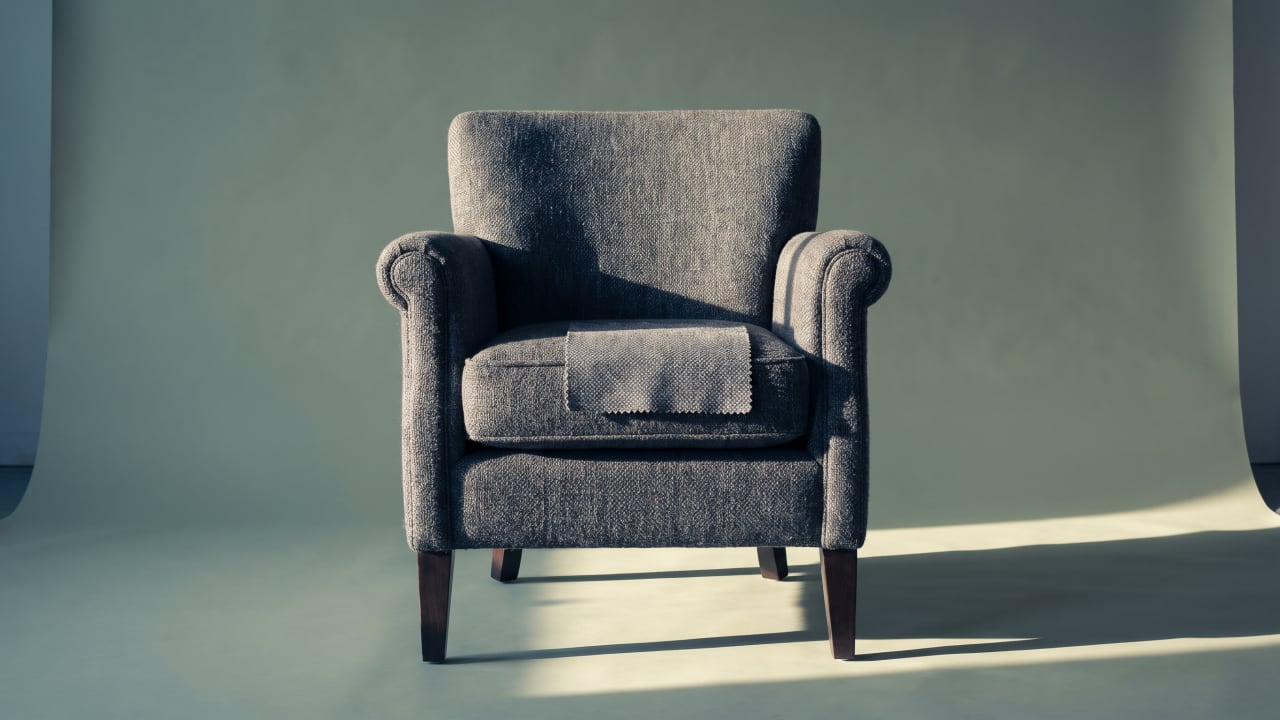
- Decide on fabric within a few days of your estimate. A week of indecision is a week the whole schedule moves.
- Pick a fabric with a durable rating. Our guidance is 30,000+ Martindale rubs for a regular-use sofa and 50,000+ for high-traffic rooms, and the Martindale method explains how that rub test works.
- Consider a plain or small-repeat pattern if time matters, since large repeats need more careful cutting and more yardage.
- Confirm your pickup or drop-off date as soon as the fabric lands.
A word on comparing timelines. Custom-order sofas from showrooms commonly carry lead times of several months, and a stock sofa arrives sooner but rarely with a hardwood frame. When your current frame is solid, reupholstery usually lands in the same range as ordering new, with a sturdier result. If the cushions are the real problem, a standard high-resilience polyurethane foam rebuild is part of the job, and the CertiPUR program is a useful background read on foam quality standards.
One more planning tip: reupholstery is the point where a sagging seat gets rebuilt properly, not just recovered. Spending a few extra days choosing the right fabric and confirming the details up front is far cheaper than discovering a problem once the cover is cut.
It also helps to think about what you will do without the piece. A sofa leaving for two or three months leaves a gap in the room. Some households move a spare chair in, some rearrange so the missing piece is not obvious, and some use the time to refresh a rug or lighting so the finished furniture lands in a room that is ready for it. Planning the gap is part of planning the turnaround.
Finally, ask questions at the estimate stage. How long is the shop running today? Does the fabric you like need special pattern matching? Is the frame sound, or will repairs add time? Honest answers to those three questions will tell you more about your timeline than any generic number, including the 6-12 weeks in this article. We would rather you hear a long timeline in November and be happy in April than hear a short one and be disappointed in December.
Where We Pick Up Across Dallas and the Metroplex
Our workshop is in Carrollton, and we handle reupholstery for Dallas homeowners in Preston Hollow, North Dallas, East Dallas, and Downtown Dallas, plus nearby Plano, Richardson, and Frisco. Pickup and delivery run across DFW, so you do not have to rent a truck to start the process. If you live in Highland Park, there is also a page built for that neighborhood.
Dallas Reupholstery Timeline FAQ
How long does reupholstery take in Dallas?
Plan for 6-12 weeks in the shop depending on the workload, plus about a week beforehand for fabric selection, deposit, and fabric arrival. The estimate tells you where the queue stands that month.
Can I get a sofa reupholstered before Christmas?
Not from a start in November. At 6-12 weeks, a piece that goes in now returns in January or February. The better plan is to aim for spring entertaining and begin the process this season.
Why do I choose fabric before the piece is picked up?
So the material is already at the shop when your furniture arrives. Fabric is ordered from swatch books and takes about a week, and the deposit holds your place in the process.
Is the turnaround different for dining chairs than for a sofa?
The queue is the same, but smaller pieces move through the bench faster once they reach it. A set of dining chair seats is far less labor than a sofa, though a large set still waits its turn in line.
What is the best month to start reupholstery in Dallas?
January and February often have a lighter queue than fall, so pieces started then are well positioned to be back by April. Getting your estimate and fabric decisions done early helps no matter when pickup happens.
Plan Ahead and Enjoy the Spring
Reupholstery turnaround is a calendar problem, not a quality problem. The weeks are real, the steps are predictable, and the result lasts for years. Skip the panic about the holidays and use the next few months to get the decisions made.
Dallas homeowners can request a free online estimate with a few photos, or call 214-731-3060 to talk through your timeline with our team. For the full list of what we do for your furniture, visit our Dallas upholstery and reupholstery page.